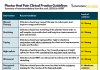
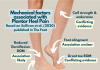
Thanks for the amazing feedback we’ve had on Part 1 of our new series on Patellofemoral Pain. We introduced our 4 Pillars of Running Rehab, with a deep dive into Pillar 1, Load Management, and how we would apply it with our case study, Alice. You can access that here if you’ve missed it.
Alice is back for part 2, where we’ll explore our next pillar and tackle a thorny issue in clinical practice…
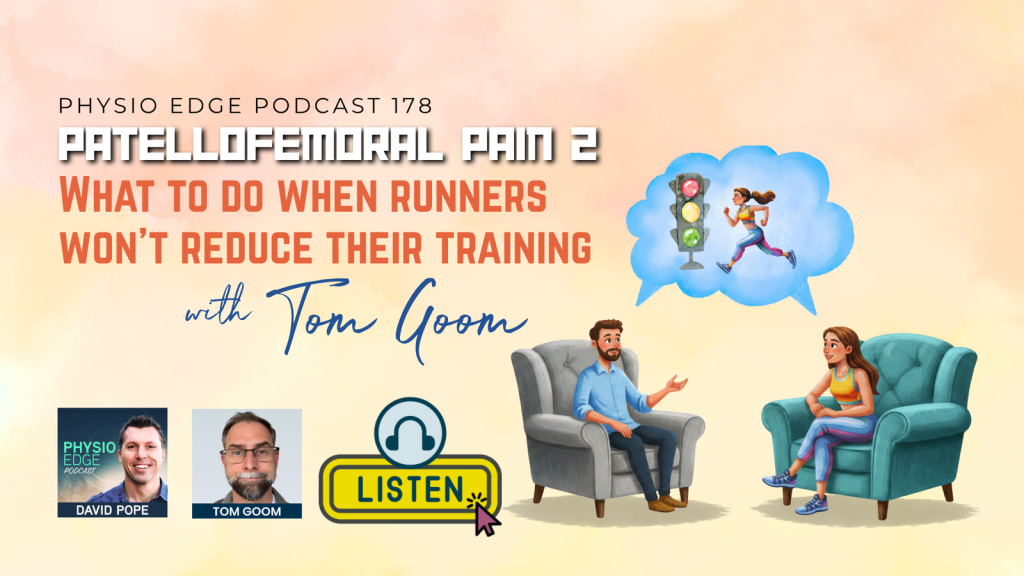
Why athletes don’t follow our advice (even when they know it will help).
We’ve all encountered this with runners and other athletes, especially when it comes to reducing their training. It can be frustrating, but the way I would approach this is to try and understand why they haven’t chosen to make changes and focus’s on solutions.
It doesn’t work just to tell them what to do! So instead in this episode we’ll talk through what does work to help people successfully follow your guidance, including:
- How we can identify and address barriers to change
- Why simply telling runners to “stop running” often leads to poor outcomes
- Practical communication strategies that improve patient buy-in and results
- How to discover the real reasons patients resist reducing their training
- Ways to keep runners connected to the physical and social benefits of their sport during rehab
We also explore how to explain PFP to patients without creating fear around ‘maltracking’ or joint health. We discuss a simple framework that patients understand and can use to confidently self-manage flare-ups and how to help runners achieve a balance between training stress and recovery.
I’ve loved recording this series, and there is so much more I want to share with you to help with the runners and athletes you treat. So, coming soon, we have a fantastic live webinar to build on our four pillars with evidence-based guidance on gait re-training for PFP, a 3-stage rehab programme, advanced options for return to running and much more. Stay tuned as I’ll have more on that for you next week!
This morning I had a ‘podcast plod’ to recap Part 2 of our series. I had a nice walk with our spaniel Loki along Saltdean beach. I love learning with a view!
 Why not download part 2 and go on your own podcast plod?
Follow the this link to access it and you can also download our free Running Injury Assessment Sheet, which you can find at the foot of the page.
This is Episode 2 of 4 in our series on PFP. Next up, we’ll break down the third key pillar of rehab: choosing and progressing strengthening exercises that build strength and resilience without flaring symptoms and avoiding the pitfalls that slow recovery.
Look out for Part 3.
P.S. For confidentiality reasons, the patient’s name and aspects of the podcast case study may be modified.